

Description
A Wedding of Shadows
From the series Feels Like Home
Two wounded souls. One fragile promise. The blind leading the blind.
A Wedding of Shadows is a lyrical photograph about a phenomenon I have often observed in the complicated landscape of adult relationships.
We enter new relationships carrying the invisible weight of our past. Broken hearts, disappointments, betrayals, and unresolved wounds shape the way we see ourselves and the people we love.
Sometimes, two wounded people find each other.
They recognize something familiar in one another’s pain. Their shared vulnerability creates a powerful connection, an almost irresistible sense of understanding. Yet both may still be struggling to see clearly, searching for direction while carrying the shadows of their previous relationships.
The blind leading the blind.
This is the wedding of shadows.
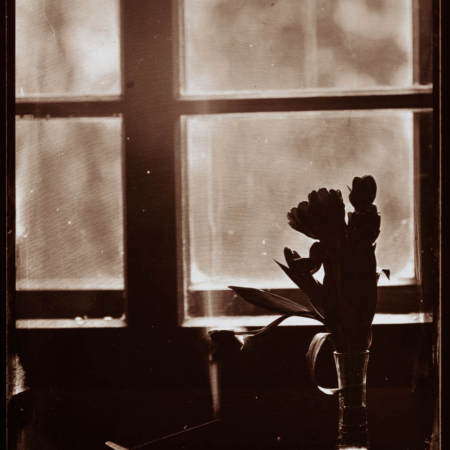
In the photograph, a solitary wooden chair stands before a window, holding a modest arrangement of flowers. A translucent curtain hangs between the viewer and the scene, catching the sunlight like a delicate bridal veil.
Everything appears suspended between presence and absence, intimacy and distance, hope and uncertainty.
The curtain both reveals and conceals. The flowers suggest tenderness and the desire to love. The empty chair becomes a symbol of longing, while the shadows hint at everything we bring into a relationship but cannot always see or understand.
There are no people in the photograph, yet it is profoundly about human relationships.
A Wedding of Shadows is not a photograph about the absence of love. It is about the difficulty of finding love when we are still haunted by what came before.
And perhaps about the hope that two people, even when lost in their own darkness, might eventually learn to see the light together.
About the Project — Feels Like Home
A Wedding of Shadows belongs to my long-term photographic project Feels Like Home, which began in 2016 following the end of a twenty-one-year relationship.
After leaving the house I once called home, I found myself repeatedly moving into unfamiliar rooms, apartments, and houses.
In each new place, I began performing a simple ritual: bringing in a bouquet of flowers and making a photograph.
Through this act, I gradually transformed unfamiliar spaces into places of belonging.
Photography became a form of therapy — a way of finding, and more importantly, creating beauty during difficult periods of my life.
Over the years, this ritual evolved into an exploration of home, identity, personal transformation, and human relationships.
In A Wedding of Shadows, the search for home becomes inseparable from the search for love.
Home is not always a physical place. Sometimes we search for it in another person, hoping that intimacy will offer the safety and belonging we have lost.
Yet a relationship cannot automatically heal the wounds that two people bring into it.
The photograph reflects this delicate contradiction: the longing to belong and the vulnerability of trying to build something new while still carrying the past.
The Photograph — Carbon Transfer on Glass
The photograph was created using two historic photographic processes, both originating in the nineteenth century.
First, I produced a wet plate collodion negative on glass. The image was then contact-printed using the carbon transfer process, transferring pigmented gelatin onto another sheet of glass.
Almost every stage of production is performed by hand: preparing photographic chemistry, coating and sensitizing materials, developing and processing the negative, retouching it with a graphite pencil, and producing the final carbon transfer.
The resulting photograph is more than an image. It is a physical object shaped by light, chemistry, materials, and craftsmanship.
What distinguishes carbon transfer printing is its extraordinary silky tonality, remarkable archival stability, and delicate three-dimensional relief.
Unlike silver-based or inkjet photographic prints, a carbon print forms its image through layers of pigmented gelatin.
The darkest areas contain thicker deposits of pigment, while the highlights are formed by progressively thinner, more translucent layers.
This creates an extremely subtle physical relief, giving the photograph an almost sculptural presence.
The semi-translucent gelatin produces exceptionally smooth and silky tonal transitions. Light interacts with the layers of pigment and gelatin, creating a distinctive softness, luminosity, and tonal depth that cannot be precisely reproduced by conventional silver-based or inkjet printing.
In A Wedding of Shadows, this characteristic becomes particularly expressive.
The delicate curtain, the softly illuminated window, and the shadows surrounding the chair depend on the finest transitions between light and darkness.
The extraordinary tonal qualities of carbon transfer printing allow these transitions to retain their subtlety and emotional presence.
The shadows are not merely represented. They exist as delicate layers of pigment, suspended in gelatin, transforming the fleeting presence of light into a permanent physical object.
Archival Materials & Permanence
Carbon transfer printing is widely regarded as one of the most archival photographic printing processes ever developed.
Unlike silver-based photographs, the final image is formed from stable pigments embedded in gelatin, rather than metallic silver or light-sensitive dyes.
This gives properly produced and preserved carbon prints exceptional potential for long-term stability.
The artwork is made using carefully selected archival-quality materials, with particular attention to processing, stability, and preservation.
The combination of stable pigments, gelatin, and glass creates a photographic object intended to endure for generations when properly cared for.
For me, permanence is not merely a technical consideration. It is an essential part of the artistic expression.
Photography captures a fleeting moment, but the physical artwork allows that moment to exist far beyond its original circumstances.
After more than fifteen years dedicated to mastering historical photographic processes, I consider carbon transfer printing on glass one of the most extraordinary expressions of photography as a physical medium.
I do not practise these techniques out of nostalgia.
I use them because I believe that the photographic object — its material, surface, depth, and permanence — can communicate something beyond the image itself.
Handmade Cherry Wood Frame
The photograph is presented in a handcrafted frame made from solid cherry wood, carefully finished with teak oil and beeswax.
My relationship with woodworking began in my teenage years, when I studied carpentry. More recently, I returned to this craft with a renewed appreciation for the relationship between materials, craftsmanship, and artistic expression.
Having exhibited my photographs hundreds of times and encountered countless approaches to framing, I came to believe that a handmade photograph deserves a handmade frame.
Cherry wood was chosen for its warm natural colour, elegant grain, and subtle character, complementing the delicate tonal qualities of the carbon print on glass.
The teak oil enhances the natural beauty of the wood, while the beeswax provides a protective, tactile finish.
The frame is not simply a decorative addition. It is an integral part of the artwork, created with the same attention and dedication as the photograph itself.
Certificate of Authenticity & Provenance
Every artwork is accompanied by a comprehensive, double-sided Certificate of Authenticity, prepared according to museum documentation standards.
More than a conventional certificate, it serves as a detailed historical and provenance record of the individual artwork, designed to accompany it throughout its lifetime.
The documentation includes:
- Detailed information about the photographic process, materials, and techniques used in creating the artwork.
- Production details, technical specifications, and edition information where applicable.
- Distinctive characteristics, individual print artefacts, and physical particularities that make each handcrafted print identifiable.
- Exhibition history and relevant presentation records.
- The current owner and recorded location of the artwork.
- Provenance and acquisition history, including how the owner acquired the piece.
Particular attention is given to the individual physical characteristics of each print. In handmade photographic processes, subtle variations and artefacts are not necessarily imperfections; they are traces of the creative process and part of the object’s unique material identity.
The certificate is intended to preserve not only the authenticity of the photograph, but also the history of the physical artwork itself.
As ownership changes, this documentation provides a foundation for maintaining its provenance and historical continuity.
Current Exhibition
Galerija Božena
Razlagova ulica 5
Celje, Slovenia
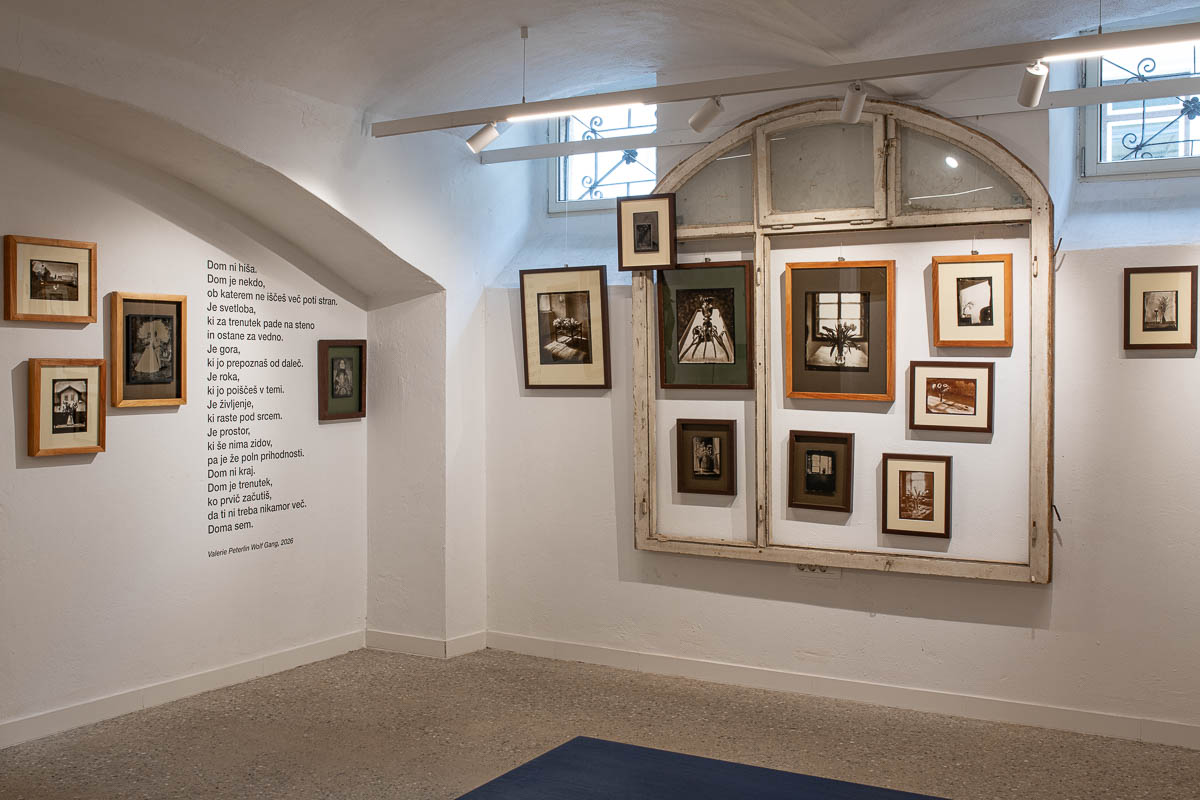
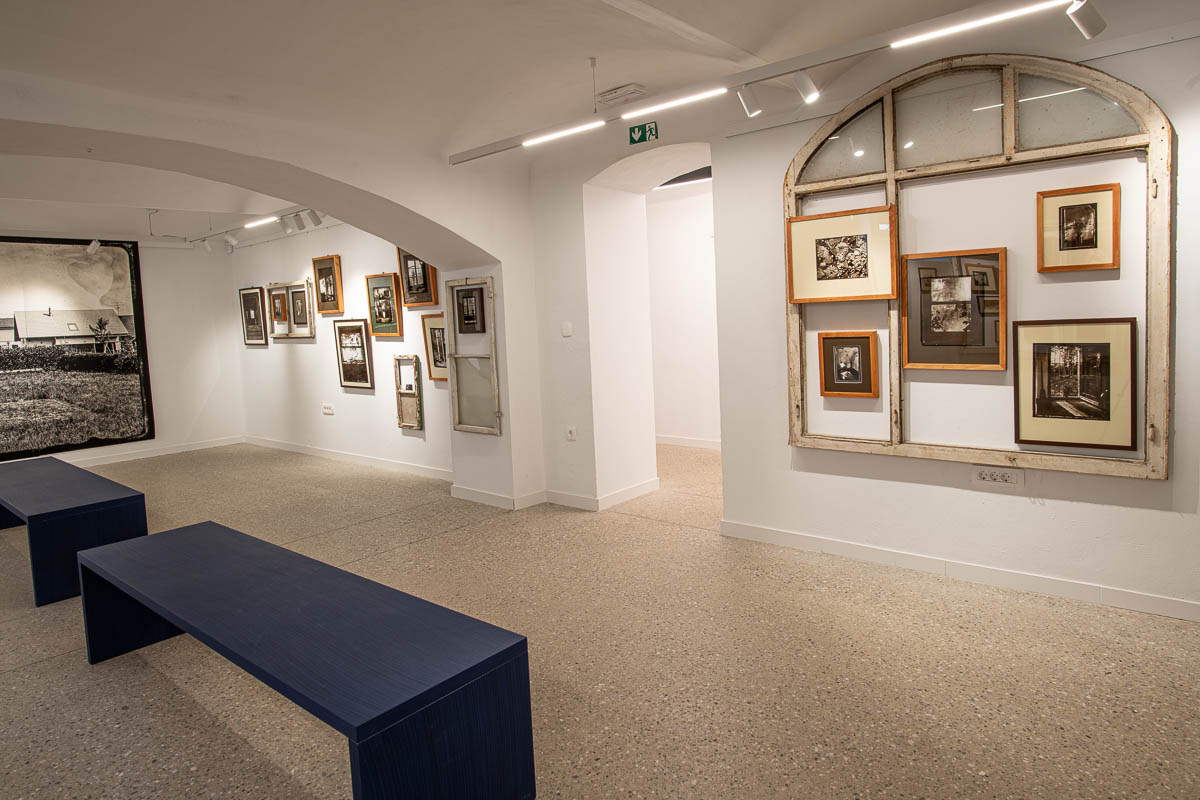
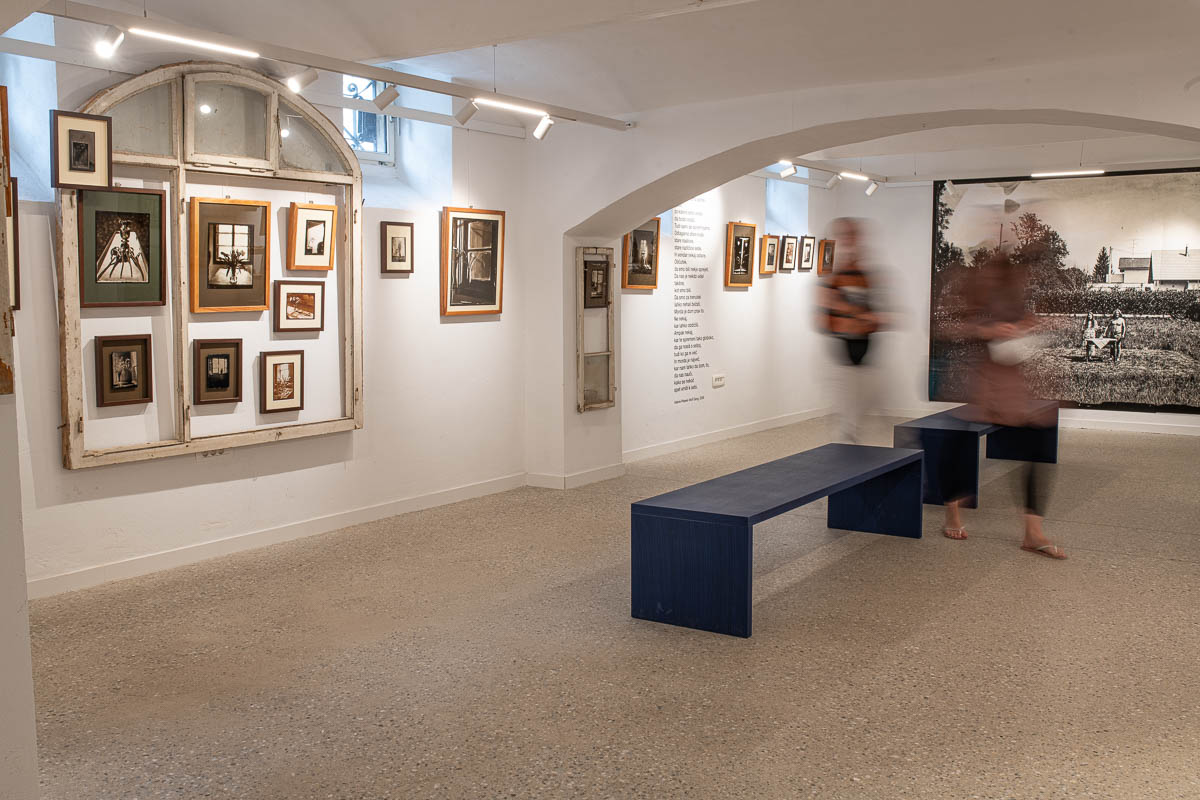
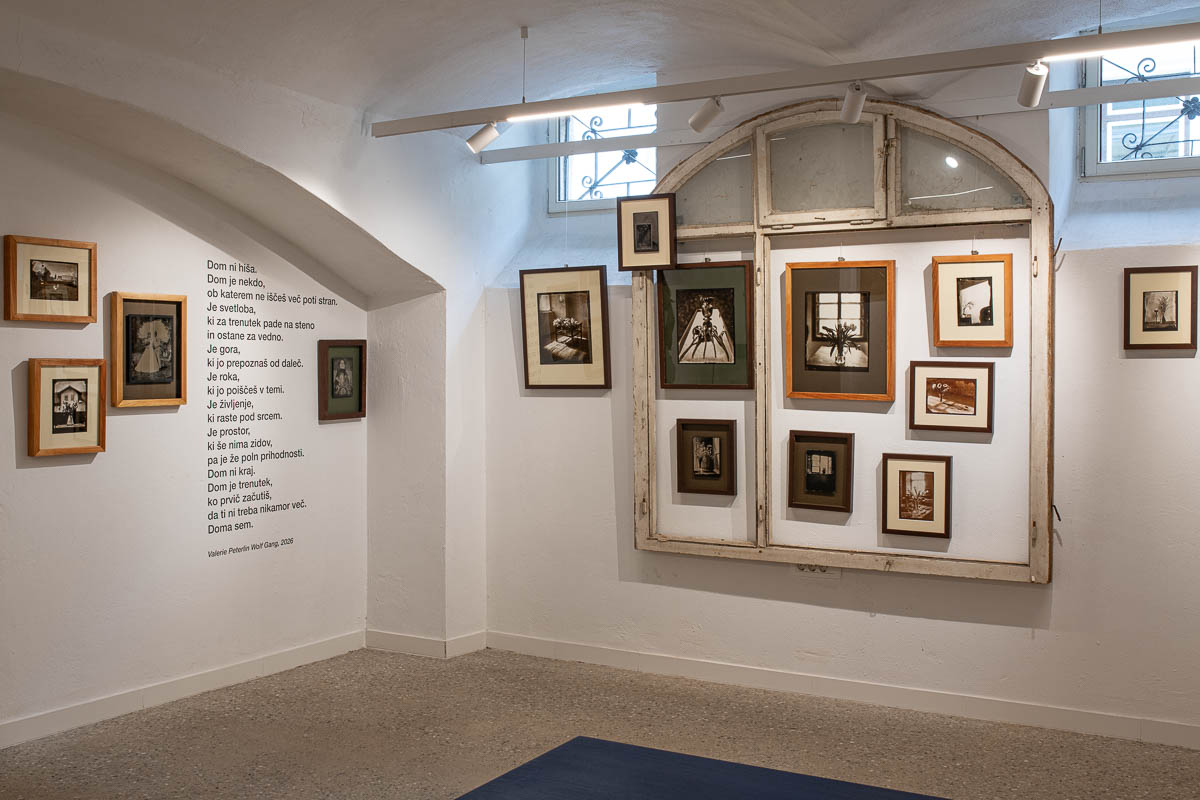
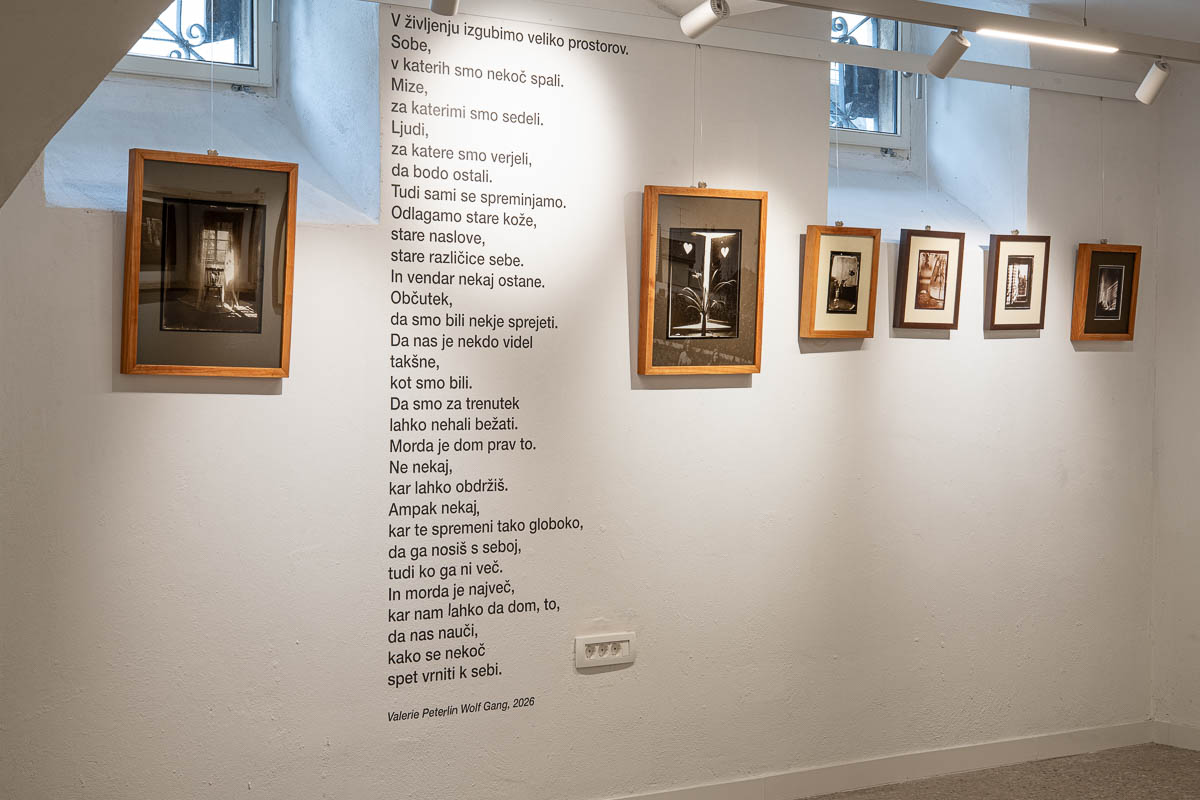
A Wedding of Shadows is currently exhibited as part of Feels Like Home, an exhibition exploring belonging, personal transformation, love, and the meaning of home.
About the Artist
I am Borut Peterlin, a fine art photographer whose artistic practice combines contemporary expression with historical photographic processes.
I hold a BA in Fine Art Photography from FAMU in Prague and a postgraduate diploma from the London College of Printing.
I have worked with Oliviero Toscani at Fabrica, the Benetton Research Centre for Communication, and spent approximately a decade working as a photographer and photo editor for Mladina magazine.
In 2001, I founded the Fotopub photography festival, serving as its artistic director for eight years.
My knowledge of nineteenth-century photographic techniques has been shaped by years of independent experimentation and specialised training, including workshops with Mark Osterman at George Eastman House in Rochester, New York, and colour carbon printing instruction with Calvin Grier.
For more than fifteen years, I have dedicated myself to exploring photographic processes that require an intimate understanding of chemistry, light, materials, and craftsmanship.
For me, photography is not merely the reproduction of an image. It is the creation of a physical object with its own material presence, individuality, and history.
Artwork Details
Title: A Wedding of Shadows
Series: Feels Like Home
Artist: Borut Peterlin
Process: Carbon transfer on glass from a wet plate collodion negative
Full glass dimensions: 40 × 50 cm (16 × 20″)
Image dimensions: 25 × 30 cm (10 × 12″)
Frame: Handmade solid cherry wood, finished with teak oil and beeswax
Materials: Archival-quality photographic and presentation materials
Current exhibition: Feels Like Home, Galerija Božena, Celje, Slovenia
Certificate: Double-sided Certificate of Authenticity with museum-standard documentation and provenance record
Edition: 15/24
Price: €940



Reviews
There are no reviews yet.