

Description
Square Shadows
From the series Feels Like Home
Finding order in chaos. Finding stillness in light.
Square Shadows is a lyrical photograph built around one of the simplest geometric forms: the square.
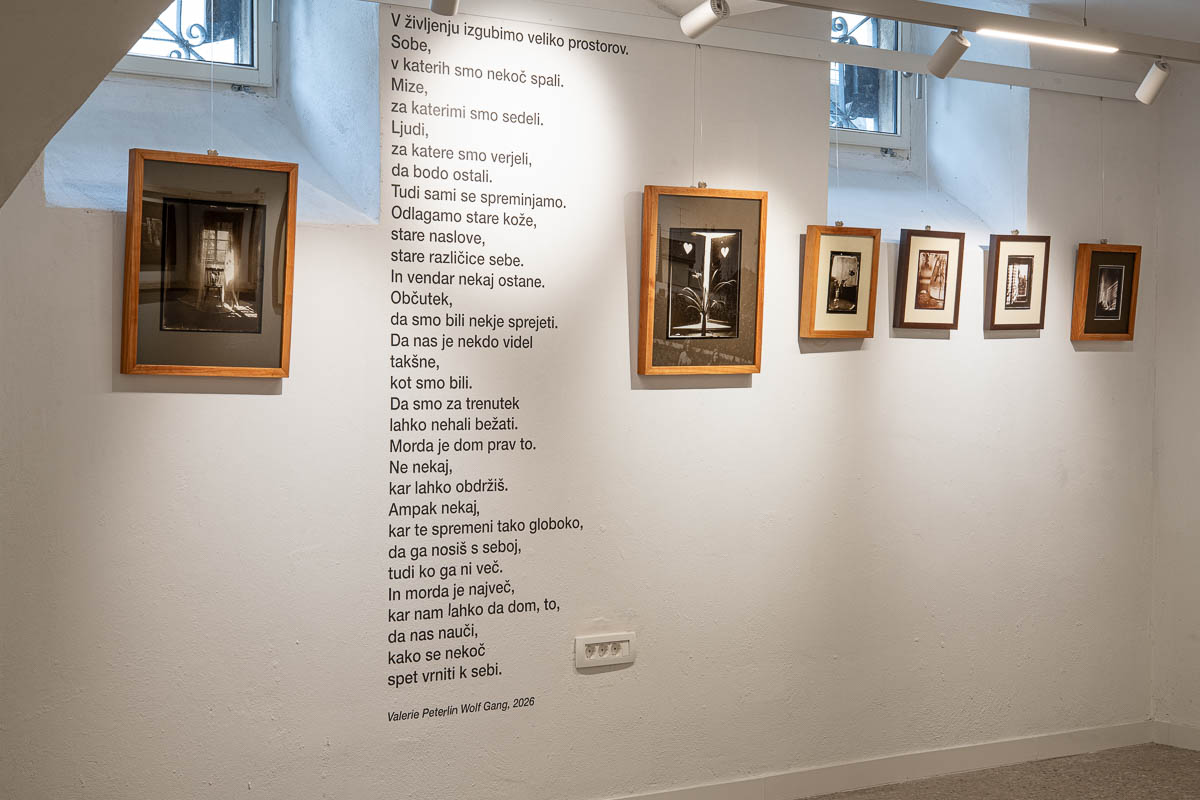
A modest wooden table holds a delicate arrangement of flowers. Around it, the room dissolves into a composition of right angles, intersecting planes, and carefully balanced shadows. Sunlight enters diagonally, cutting across the floor and emphasizing the strict geometry of the space.
The flowers introduce a sense of organic disorder, their irregular shapes contrasting with the measured structure of the room.
In the chaos of everyday life, I have often searched for moments of stillness and order within the frame of my camera. Photography offers me a way to temporarily suspend the disorder of the outside world and discover harmony in the arrangement of light, form, and shadow.
Square Shadows emerged from this search.
The photograph is not simply a still life. It is an attempt to find peace through observation — to discover that even an ordinary room, briefly touched by sunlight, can reveal an unexpected sense of balance.
The flowers are fragile and unpredictable. The geometry is uncompromising. Between them, light creates a moment of quiet harmony.
About the Project — Feels Like Home
Square Shadows belongs to my long-term photographic project Feels Like Home, which began in 2016 following the end of a twenty-one-year relationship.
After leaving the house I once called home, I found myself repeatedly moving into unfamiliar rooms, apartments, and houses.
In each new place, I began performing a simple ritual: bringing in a bouquet of flowers and making a photograph.
Through this act, I gradually transformed unfamiliar spaces into places of belonging.
Photography became a form of therapy — a way of finding, and more importantly, creating beauty during difficult periods of my life.
Over the years, this ritual evolved into an exploration of home, identity, and personal transformation.
In Square Shadows, the search for home becomes inseparable from the search for inner peace. The camera frame provides a temporary refuge from the disorder of everyday life, a space in which light and geometry create their own quiet logic.
The Photograph — Carbon Print on Glass
The photograph was created using two historic photographic processes, both originating in the nineteenth century.
First, I produced a wet plate collodion negative on glass. The image was then contact-printed using the carbon transfer process, transferring pigmented gelatin onto another sheet of glass.
Almost every stage of production is performed by hand: preparing photographic chemistry, coating and sensitizing materials, developing and processing the negative, retouching it with a graphite pencil, and producing the final carbon transfer.
The resulting photograph is more than an image. It is a physical object shaped by light, chemistry, materials, and craftsmanship.
What distinguishes carbon printing is its extraordinary tonal richness and its delicate, three-dimensional relief.
The dark areas of the image contain thicker layers of pigmented gelatin, while the highlights are formed by progressively thinner, more translucent layers.
This subtle variation in thickness gives the photograph an almost sculptural quality.
The semi-translucent pigmented gelatin creates exceptionally smooth, silky tonal transitions. Light interacts with the pigment and gelatin in a way that produces a distinctive visual depth and softness, different from the qualities of both silver-based photographs and contemporary inkjet prints.
In Square Shadows, this characteristic is particularly important.
The photograph depends on the delicate relationship between illuminated surfaces, deep shadows, and the subtle transitions that connect them. Carbon transfer printing allows these tonal relationships to become an essential part of the physical artwork.
The light is not merely represented in the photograph. Through layers of translucent pigment, it becomes part of the material experience of the print itself.
Archival Materials & Permanence
Carbon transfer printing is renowned for its exceptional permanence and tonal qualities.
Unlike conventional silver-based photographic processes, the final carbon image is formed from stable pigments embedded in gelatin.
When properly processed and preserved, carbon prints can offer outstanding long-term stability, making them one of the most archival photographic printing processes ever developed.
The artwork is produced using carefully selected archival-quality materials, with particular attention to processing, stability, and preservation.
After more than fifteen years dedicated to historical photographic techniques, I consider carbon printing on glass one of the most remarkable expressions of photography as a physical art form.
I do not practise these techniques out of nostalgia.
I use them because I believe that the photographic object — its materials, surface, depth, and physical presence — can communicate something beyond the image itself.
Handmade Oak Frame
The photograph is presented in a handcrafted frame made from solid oak wood, carefully finished with teak oil and beeswax.
My relationship with woodworking began in my teenage years, when I studied carpentry. More recently, I returned to this craft with a renewed appreciation for the relationship between materials, craftsmanship, and artistic expression.
Having exhibited my photographs hundreds of times and encountered countless approaches to framing, I came to believe that a handmade photograph deserves a handmade frame.
The natural grain and character of oak complement the warm, delicate tonal qualities of the carbon print on glass.
The teak oil enhances the natural beauty of the wood, while the beeswax provides a subtle, tactile finish.
The frame is not simply a decorative addition. It is an integral part of the artwork, created with the same attention and dedication as the photograph itself.
Certificate of Authenticity & Provenance
Every artwork is accompanied by a comprehensive, double-sided Certificate of Authenticity, prepared according to museum documentation standards.
More than a conventional certificate, it serves as a detailed historical and provenance record of the individual artwork, designed to accompany it throughout its lifetime.
The documentation includes:
- Detailed information about the photographic process, materials, and techniques used in creating the artwork.
- Production details, technical specifications, and edition information where applicable.
- Distinctive characteristics, individual print artefacts, and physical particularities that make each handcrafted print identifiable.
- Exhibition history and relevant presentation records.
- The current owner and recorded location of the artwork.
- Provenance and acquisition history, including how the owner acquired the piece.
Particular attention is given to the individual physical characteristics of each print. In handmade photographic processes, subtle variations and artefacts are not necessarily imperfections; they are traces of the creative process and part of the object’s unique material identity.
The certificate is intended to preserve not only the authenticity of the photograph, but also the history of the physical artwork itself.
As ownership changes, this documentation provides a foundation for maintaining its provenance and historical continuity.
Current Exhibition
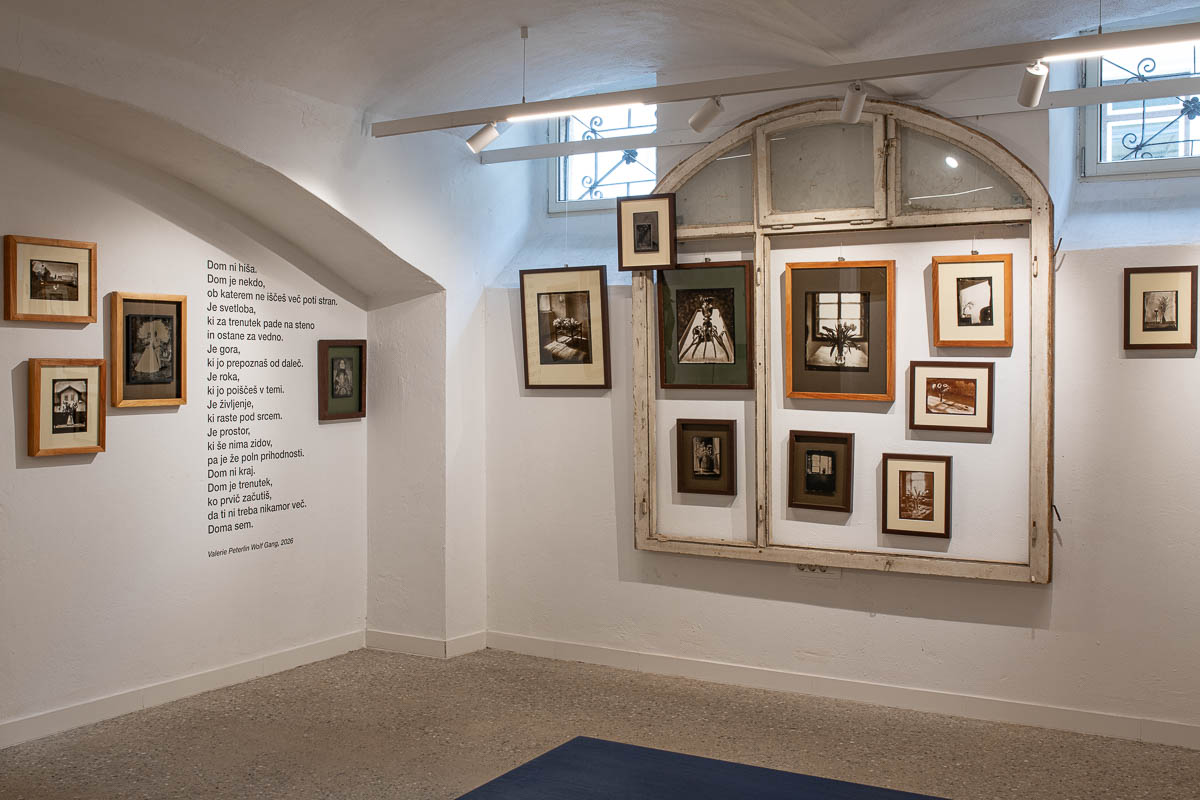
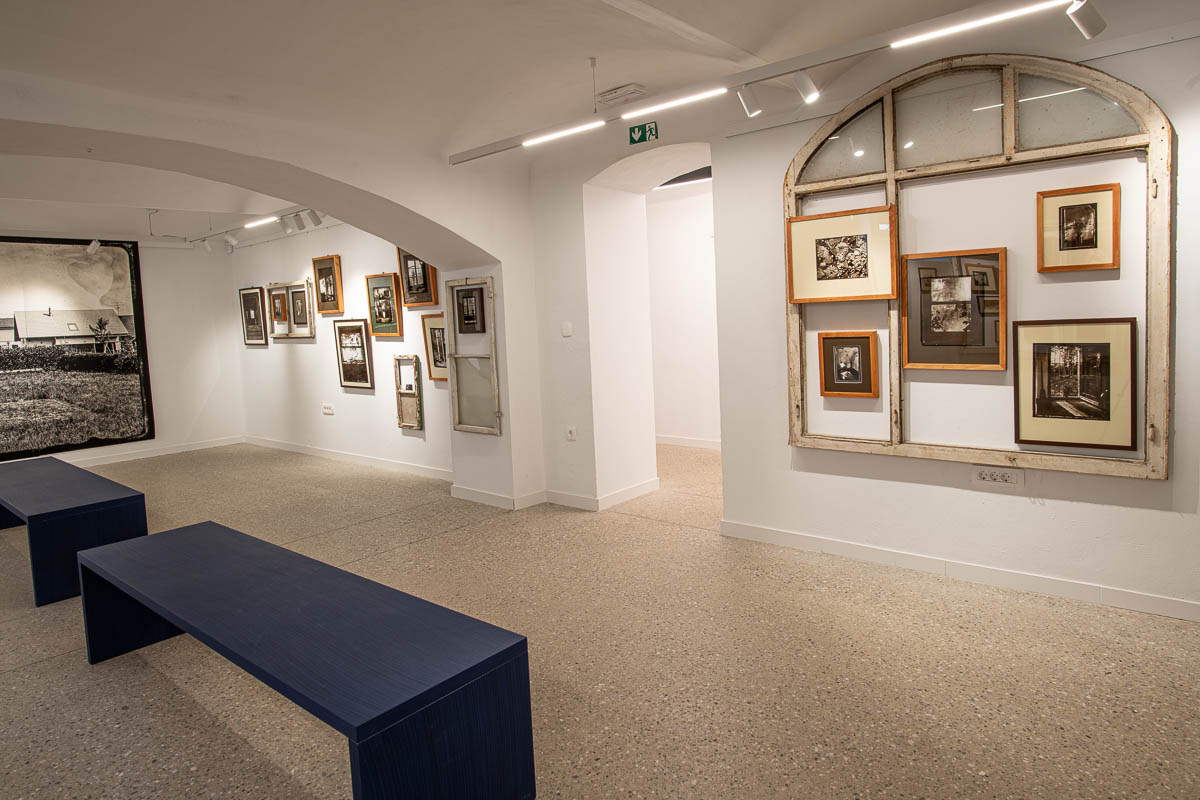
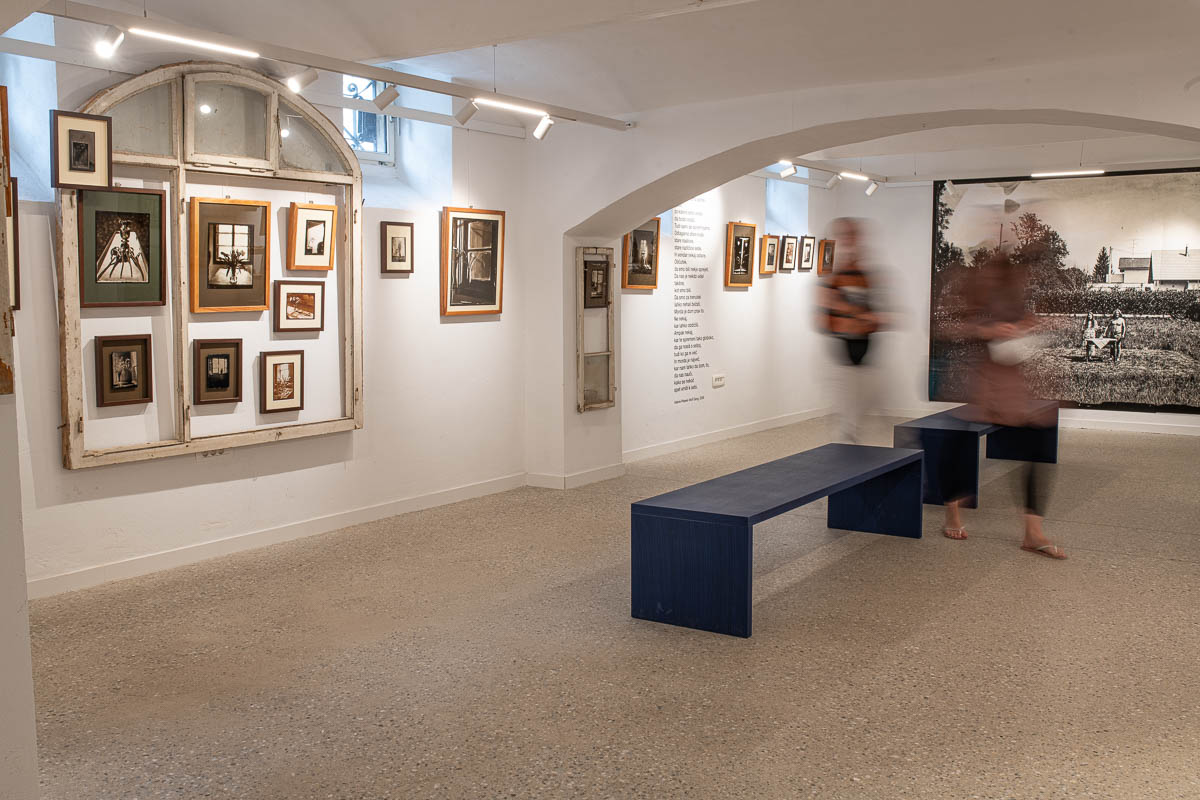
Galerija Božena
Razlagova ulica 5
Celje, Slovenia
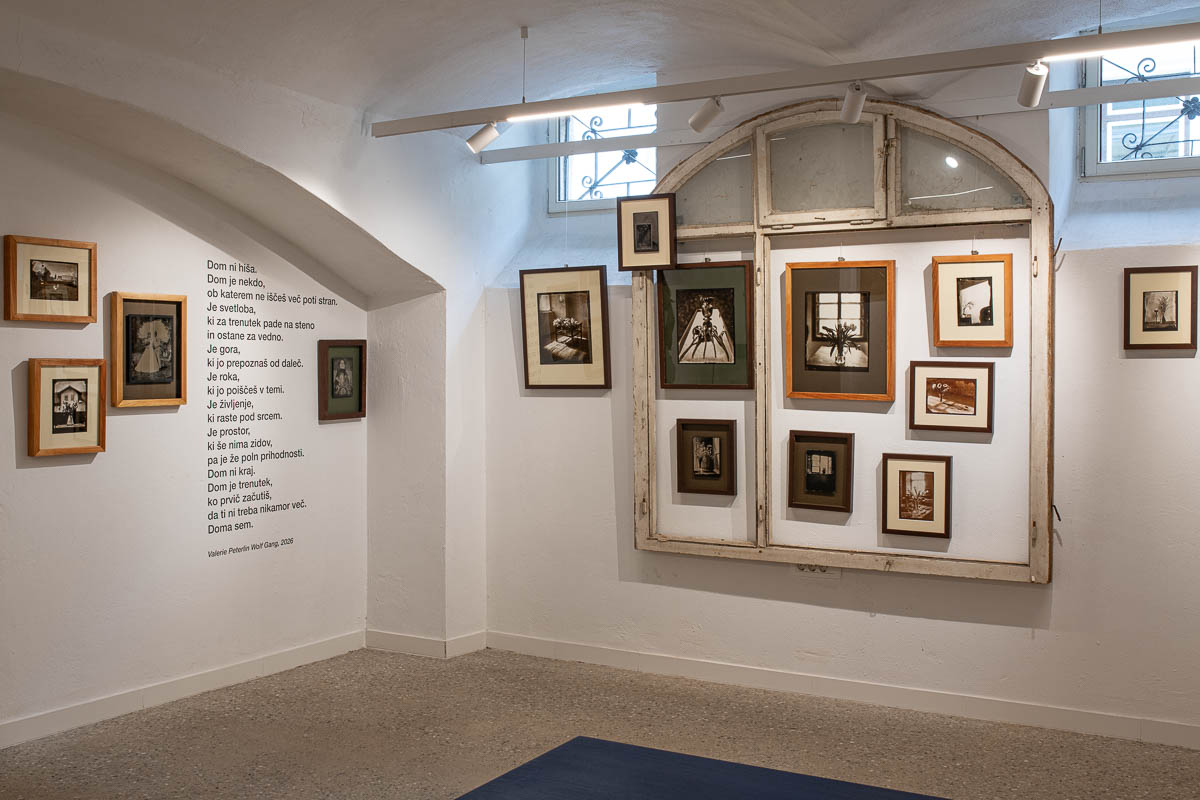
Square Shadows is currently exhibited as part of Feels Like Home, an exhibition exploring belonging, personal transformation, love, and the meaning of home.
About the Artist
I am Borut Peterlin, a fine art photographer whose artistic practice combines contemporary expression with historical photographic processes.
I hold a BA in Fine Art Photography from FAMU in Prague and a postgraduate diploma from the London College of Printing.
I have worked with Oliviero Toscani at Fabrica, the Benetton Research Centre for Communication, and spent approximately a decade working as a photographer and photo editor for Mladina magazine.
In 2001, I founded the Fotopub photography festival, serving as its artistic director for eight years.
My knowledge of nineteenth-century photographic techniques has been shaped by years of independent experimentation and specialised training, including workshops with Mark Osterman at George Eastman House in Rochester, New York, and colour carbon printing instruction with Calvin Grier.
For more than fifteen years, I have dedicated myself to exploring photographic processes that require an intimate understanding of chemistry, light, materials, and craftsmanship.
For me, photography is not merely the reproduction of an image. It is the creation of a physical object with its own material presence, individuality, and history.
Artwork Details
Title: Square Shadows
Series: Feels Like Home
Artist: Borut Peterlin
Process: Carbon transfer on glass from a wet plate collodion negative
Full glass dimensions: 40 × 50 cm (16 × 20″)
Image dimensions: 25 × 30 cm (10 × 12″)
Frame: Handmade solid oak, finished with teak oil and beeswax
Materials: Archival-quality photographic and presentation materials
Current exhibition: Feels Like Home, Galerija Božena, Celje, Slovenia
Certificate: Double-sided Certificate of Authenticity with museum-standard documentation and provenance record
Price: €940


Reviews
There are no reviews yet.