Description
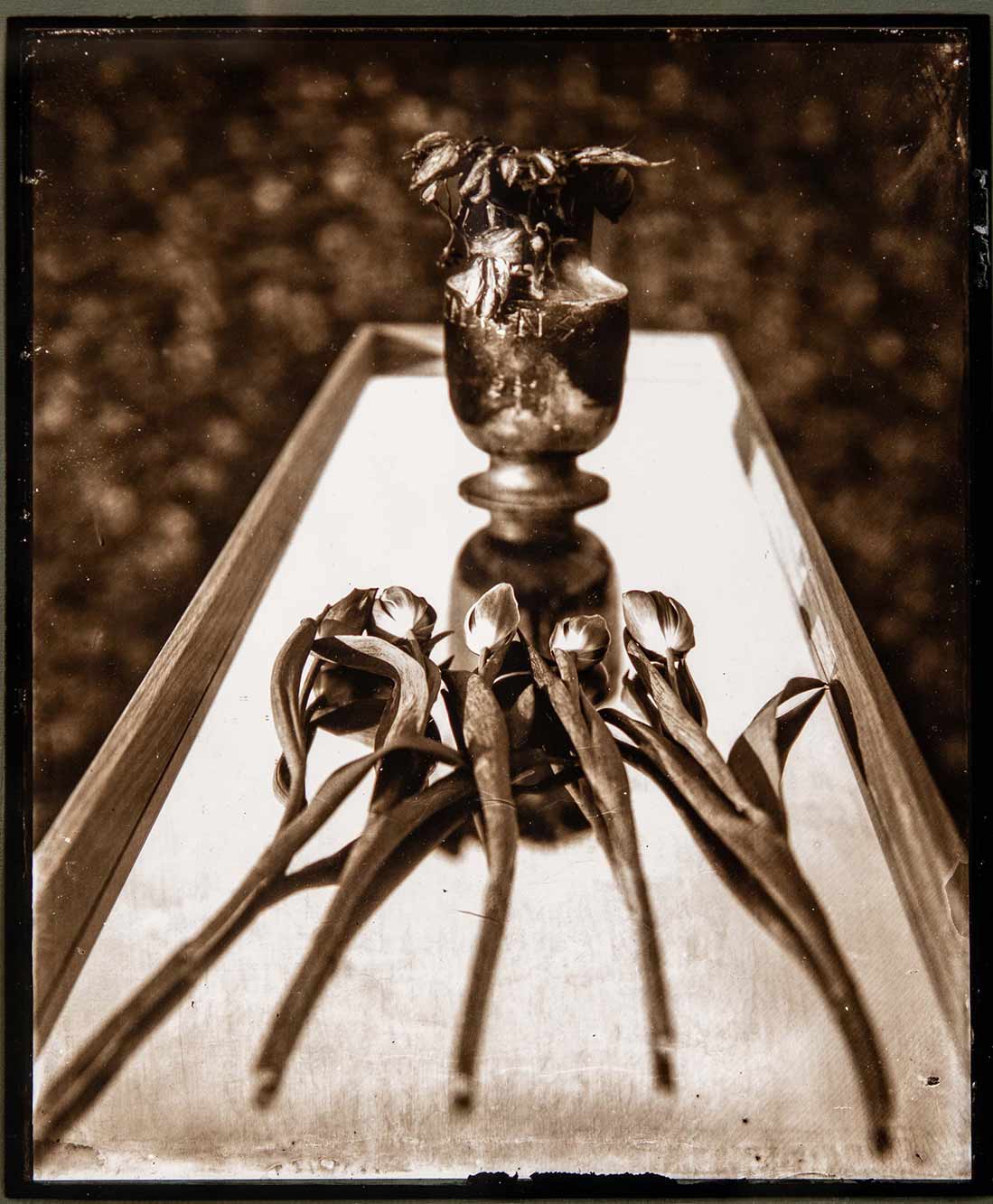
The Odyssey 2026
From the series Feels Like Home
A photograph about transformation, love, and the evolution of belonging.
The Odyssey 2026 marks a new chapter in my long-term photographic project Feels Like Home. Once again, I found myself in a new house, facing the familiar challenge of turning an unfamiliar space into a place I could call home.
But this time, I was not alone.
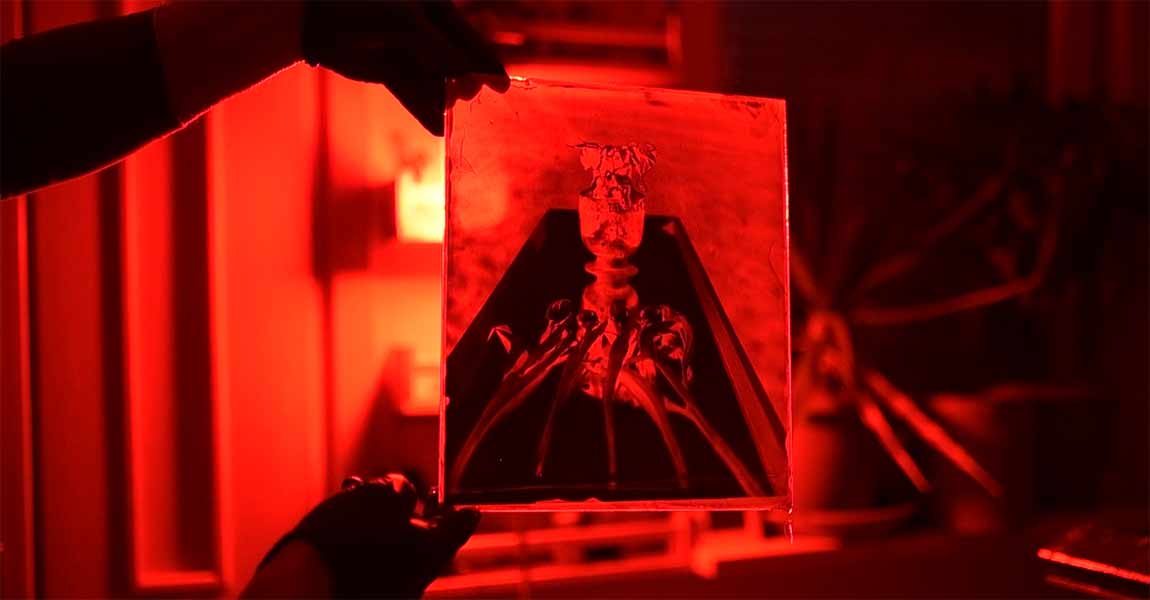
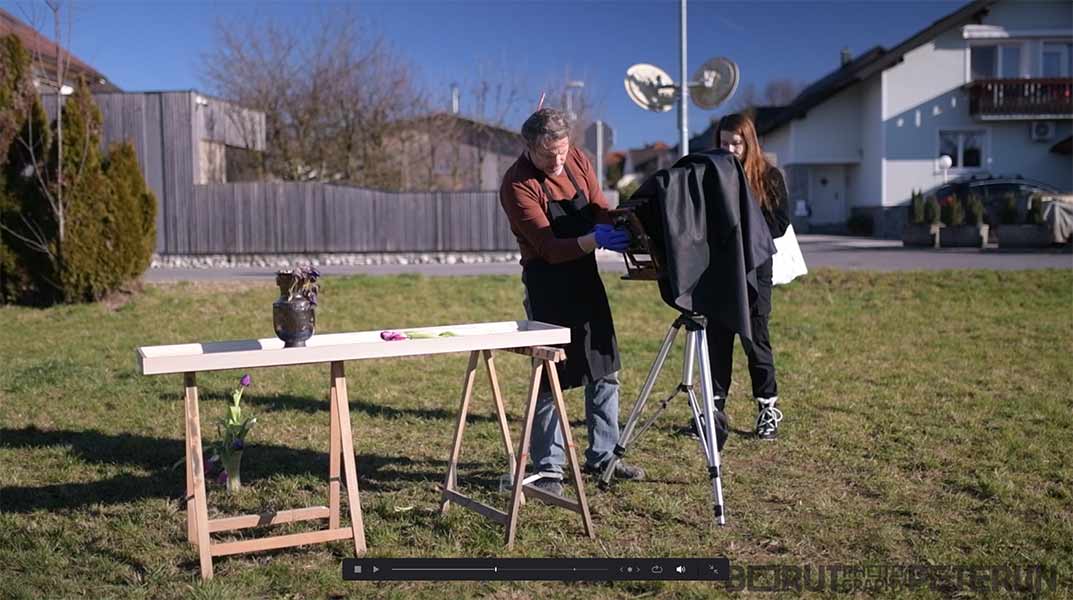
I invited Valérie Wolf Gang, my partner and now my wife, to collaborate on the photograph. She brought the mirror; I brought the flowers. Together, we constructed a minimalist composition that became a reflection of our shared journey.
The mirror immediately reminded me of the mysterious monolith in Stanley Kubrick’s 2001: A Space Odyssey. In Arthur C. Clarke’s and Kubrick’s universe, the monolith represents a catalyst for human evolution. In my photograph, it carries a similar meaning: a symbol of transformation, of my own evolution, and of ours together.
At the time, we were also making plans to build a house of our own, gathering documents, architectural plans, and financial resources. The sparse composition reflects this transitional moment: a future not yet built, but already taking shape.
Even the vase, resembling a funerary urn, introduces a quiet suggestion of mortality, endings, and renewal.
The image is deliberately minimal, almost esoteric. Its forms and perspective suggest a path forward, where the familiar ritual of photographing flowers becomes something larger: a meditation on change, partnership, and the creation of a new life.
About the Project — Feels Like Home
Feels Like Home began in 2016, following my divorce and the end of a twenty-one-year relationship.
After leaving the house we had built together, I found myself repeatedly moving into unfamiliar rooms, apartments, and houses. In each new place, I performed a simple ritual: I brought in a bouquet of flowers and made a photograph.
Through this act, I began to domesticate the unfamiliar spaces around me, transforming them into places of belonging. Photography became a form of therapy, a way of discovering and creating beauty during some of the most difficult moments of my life.
Over the years, this ritual evolved alongside me.
What began as an attempt to find home after loss gradually became a story about renewal, love, and the possibility of building something new.
The Odyssey 2026 represents this transformation.
The Photograph — Carbon Print on Glass
The photograph was created using two historic photographic processes, both originating in the nineteenth century.
First, I made a wet plate collodion negative on glass. The image was then contact-printed using the carbon transfer process, transferring pigmented gelatin onto another sheet of glass.
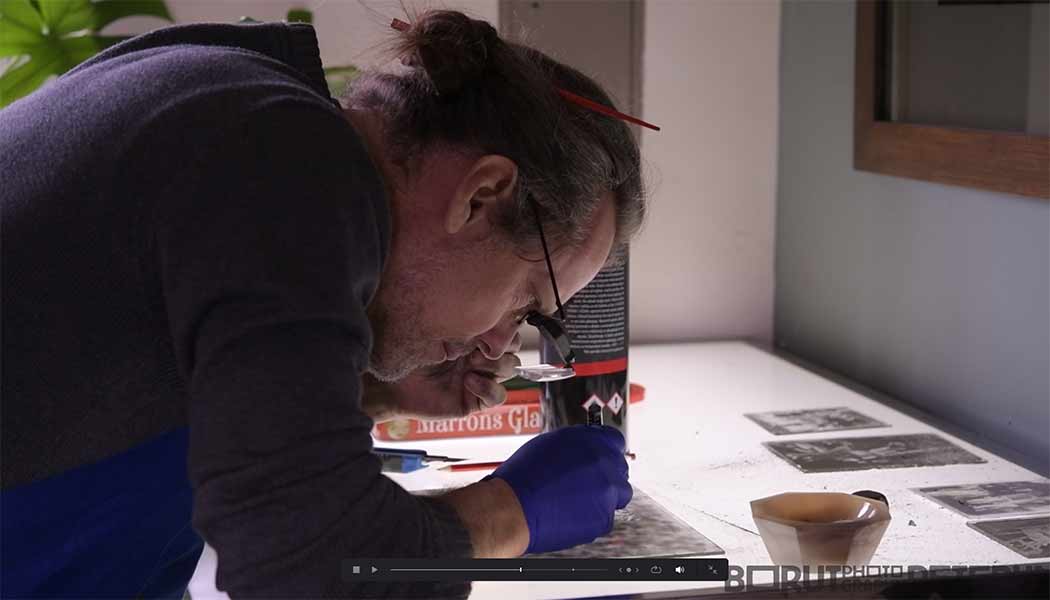
Almost every stage of production is performed by hand: preparing the photographic chemistry, coating and sensitizing the materials, developing and processing the negative, retouching it with a graphite pencil, and producing the final carbon transfer.
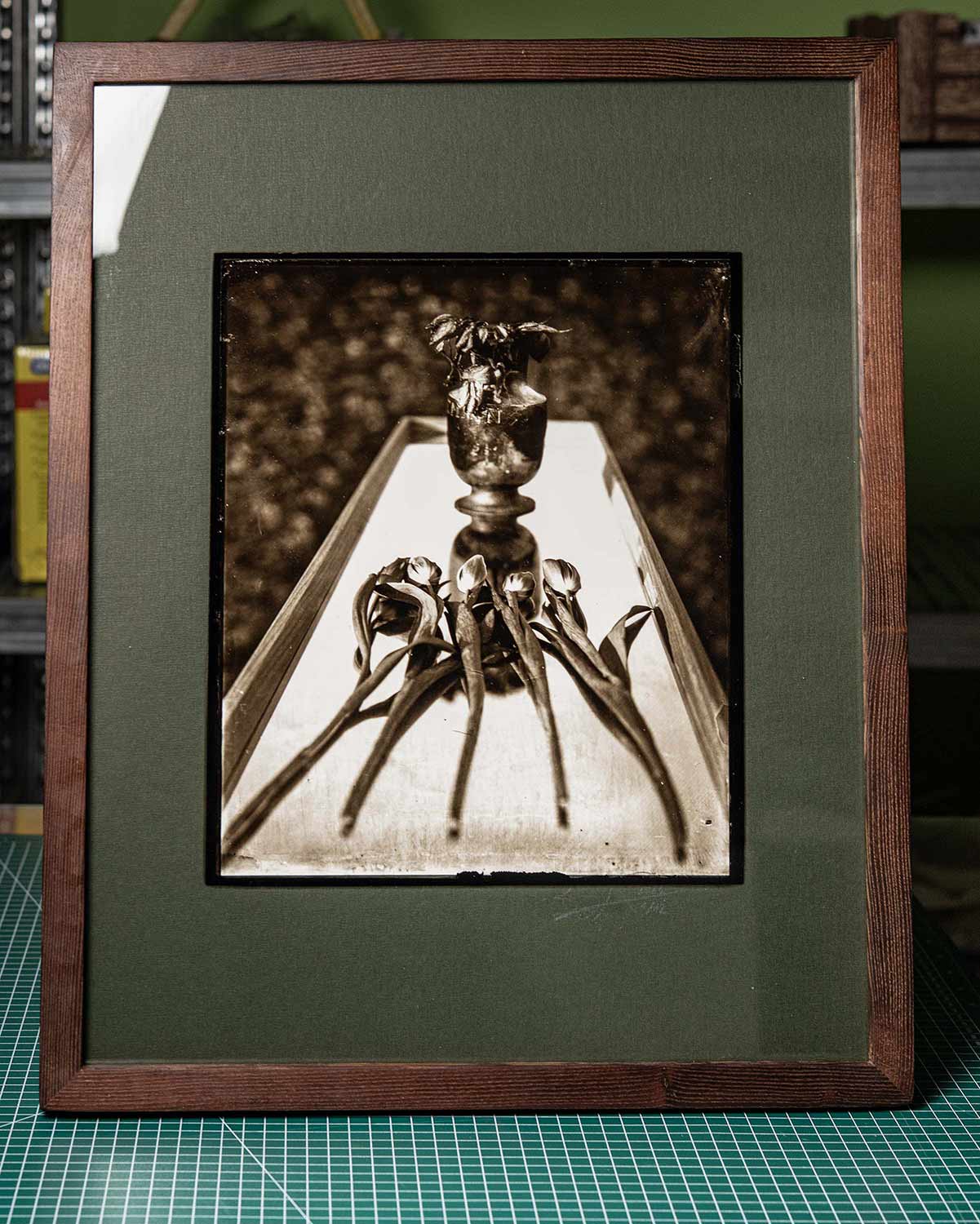
The resulting photograph is not merely an image on a surface. It is a physical object with remarkable depth and material presence.
The defining characteristic of a carbon print on glass is its three-dimensional relief.
The dark areas contain thicker layers of pigmented gelatin, while the highlights are formed by much thinner layers. This subtle variation in thickness creates an extraordinary sense of depth, giving the photograph an almost sculptural quality.
Carbon printing is among the most permanent photographic printing processes ever developed. Using stable pigments and carefully selected archival materials, it offers exceptional potential for long-term preservation when properly displayed and cared for.
After more than fifteen years devoted to historical photographic techniques, I consider carbon printing on glass one of the most extraordinary expressions of photography as a physical medium.
Handmade Oak Frame
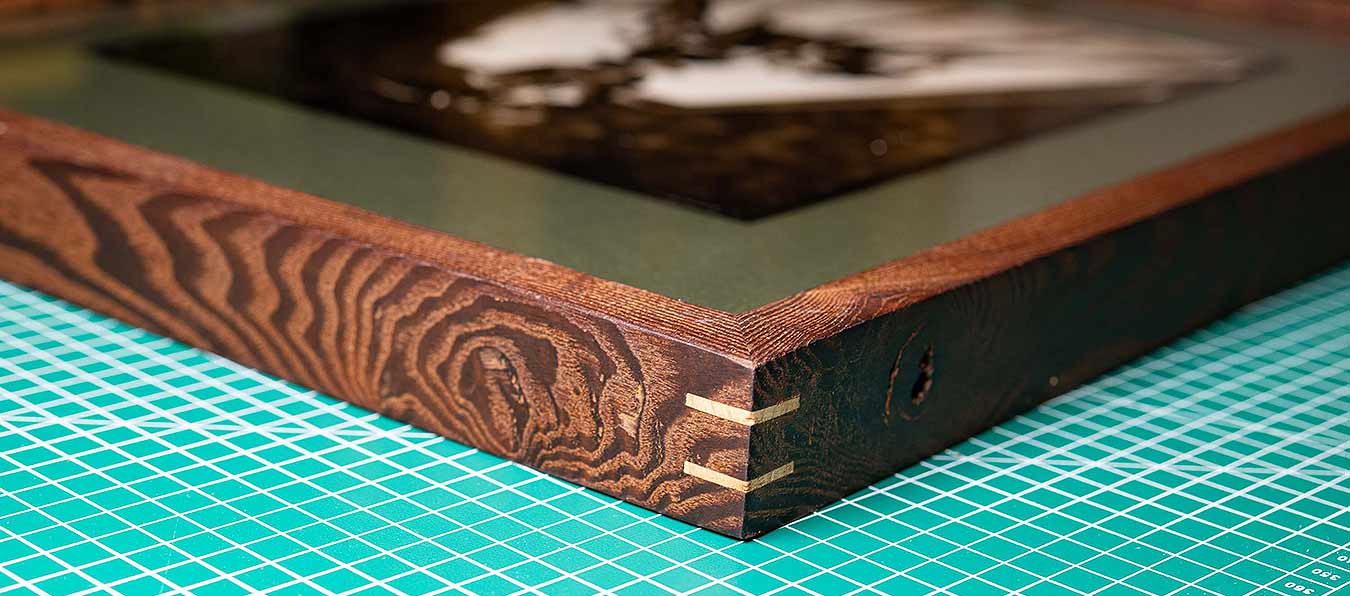
The artwork is presented in a handcrafted frame made from solid, thermally modified oak wood, carefully finished with teak oil and beeswax.
My relationship with woodworking began in my teenage years, when I studied carpentry. More recently, I returned to this craft with a renewed appreciation for the connection between material, attention, and artistic expression.
Having exhibited my photographs hundreds of times and encountered countless approaches to framing, I came to believe that a handmade photograph deserves a handmade frame.
The thermally modified oak offers warmth, rich natural tones, and dimensional stability, while the oil-and-wax finish enhances the character of the wood.
Each frame is made with the same attention and dedication as the photograph it holds.
For me, craftsmanship is not simply about technique. It is about presence, intention, and care.
Archival Quality & Certificate of Authenticity
The artwork is produced using archival-quality materials, with careful attention to its long-term preservation.
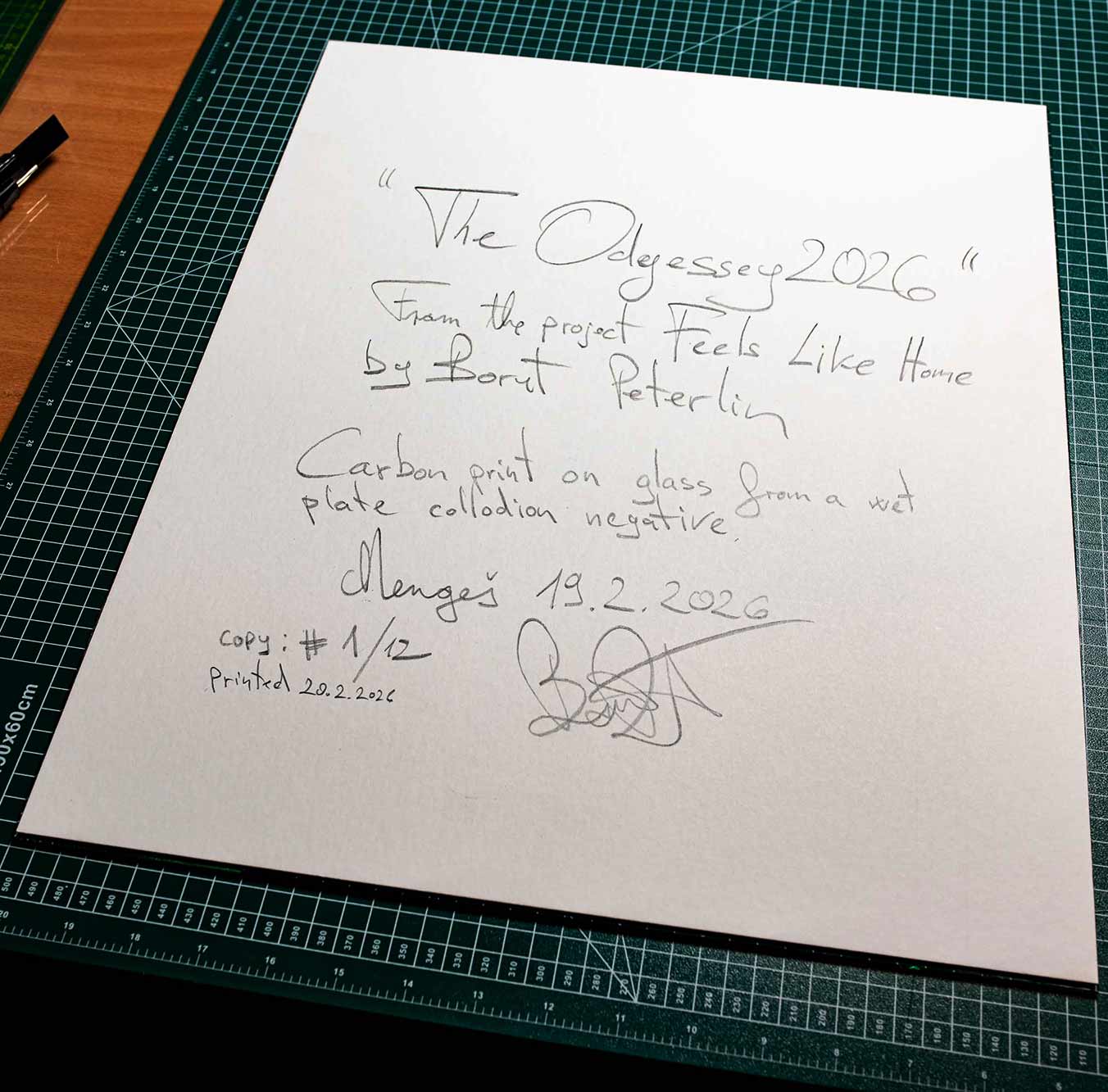
Every photograph is accompanied by a comprehensive, double-sided Certificate of Authenticity, prepared according to museum documentation standards.
Rather than serving merely as proof of authenticity, this document is conceived as a permanent historical and provenance record of the individual artwork.
It includes:
- Detailed information about the photographic process, materials, techniques, and creation of the artwork.
- Production information and distinctive characteristics of the individual print.
- Documentation of physical particularities, handmade features, and unique artefacts arising from the photographic process.
- Exhibition history and relevant presentation records.
- Identification of the current owner and the recorded location of the artwork.
- Provenance and acquisition history, documenting how the owner obtained the piece.
This documentation is intended to accompany the artwork throughout its lifetime, preserving its history, authenticity, and identity for future collectors and generations.
The objective is not merely to preserve a photograph, but to preserve the story of a physical object: how it was created, where it has travelled, who has owned it, and what makes it individually identifiable.
Current Exhibition
Galerija Božena
Razlagova ulica 5
Celje, Slovenia
The Odyssey 2026 is currently exhibited as part of Feels Like Home, an exhibition exploring belonging, transformation, human relationships, and the meaning of home.
About the Artist
I am Borut Peterlin, a fine art photographer dedicated to exploring the possibilities of historical photographic processes through contemporary artistic expression.
My formal education includes a BA in Fine Art Photography from FAMU in Prague and a postgraduate diploma from the London College of Printing.
I have worked with Oliviero Toscani at Fabrica, the Benetton Research Centre for Communication, and spent approximately a decade as a photographer and photo editor at Mladina magazine.
In 2001, I founded the Fotopub photography festival, serving as its artistic director for eight years.
My knowledge of nineteenth-century photography has been shaped by years of independent experimentation and specialised training, including workshops with Mark Osterman at George Eastman House in Rochester, New York, and colour carbon printing instruction with Calvin Grier.
For more than fifteen years, I have dedicated myself to mastering photographic techniques that demand an intimate understanding of chemistry, light, materials, and craftsmanship.
I do not practise these processes out of nostalgia. I use them because I believe that photography, as a handmade physical object, can offer something beyond the image itself.
Artwork Details
Title: The Odyssey 2026
Series: Feels Like Home
Artist: Borut Peterlin
Process: Carbon print on glass from a wet plate collodion negative
Full glass dimensions: 40 × 50 cm (16 × 20″)
Image dimensions: 25 × 30 cm (10




Reviews
There are no reviews yet.