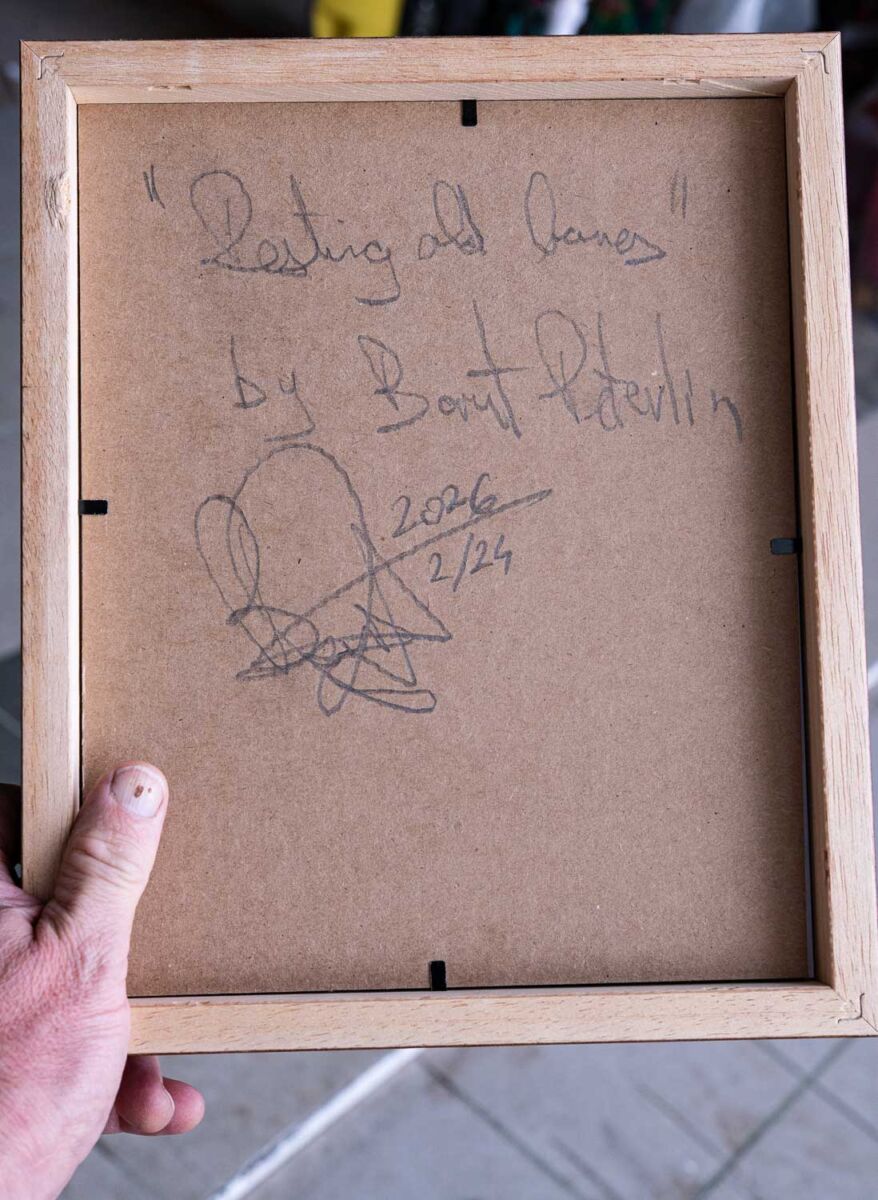
Description
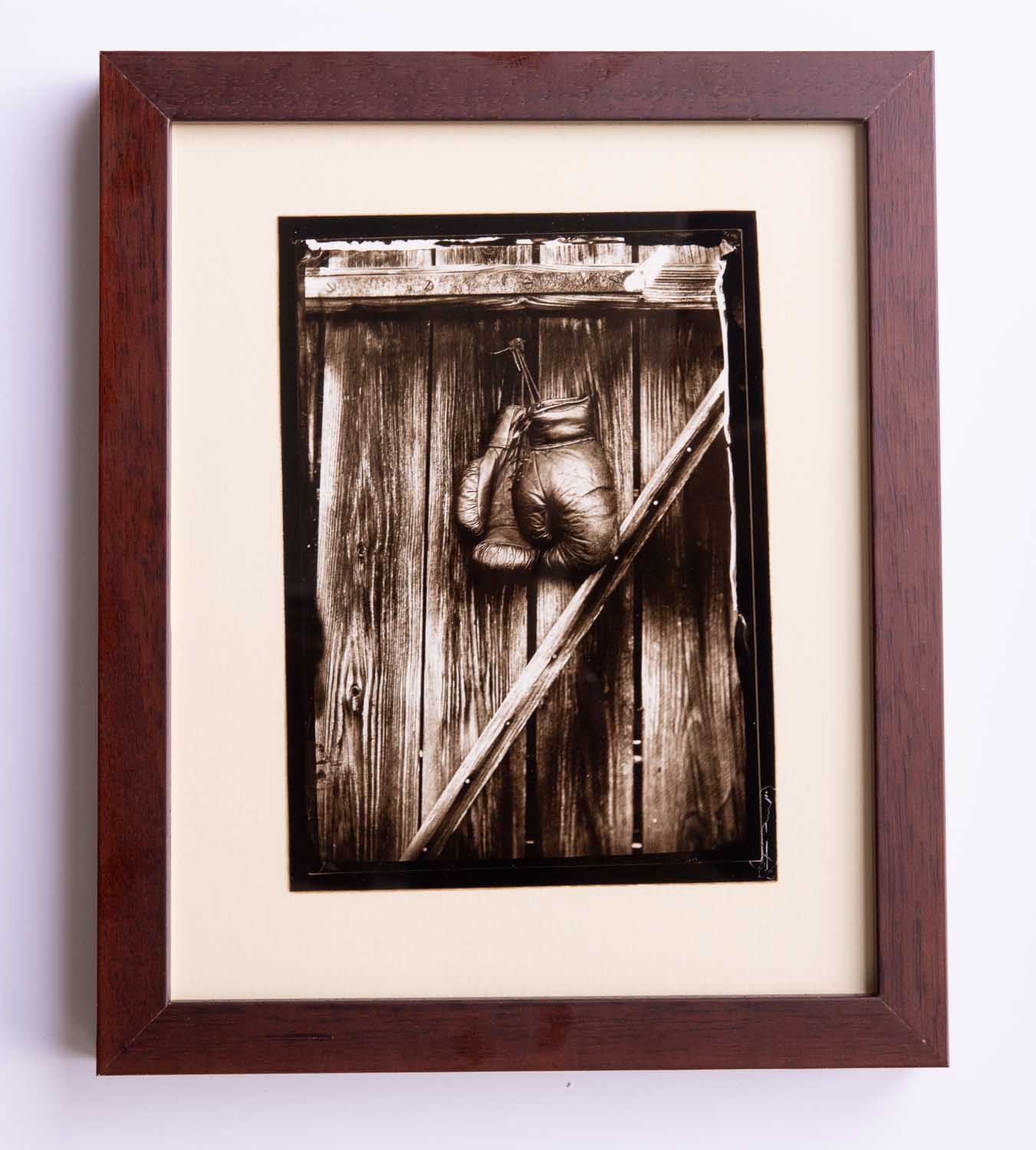
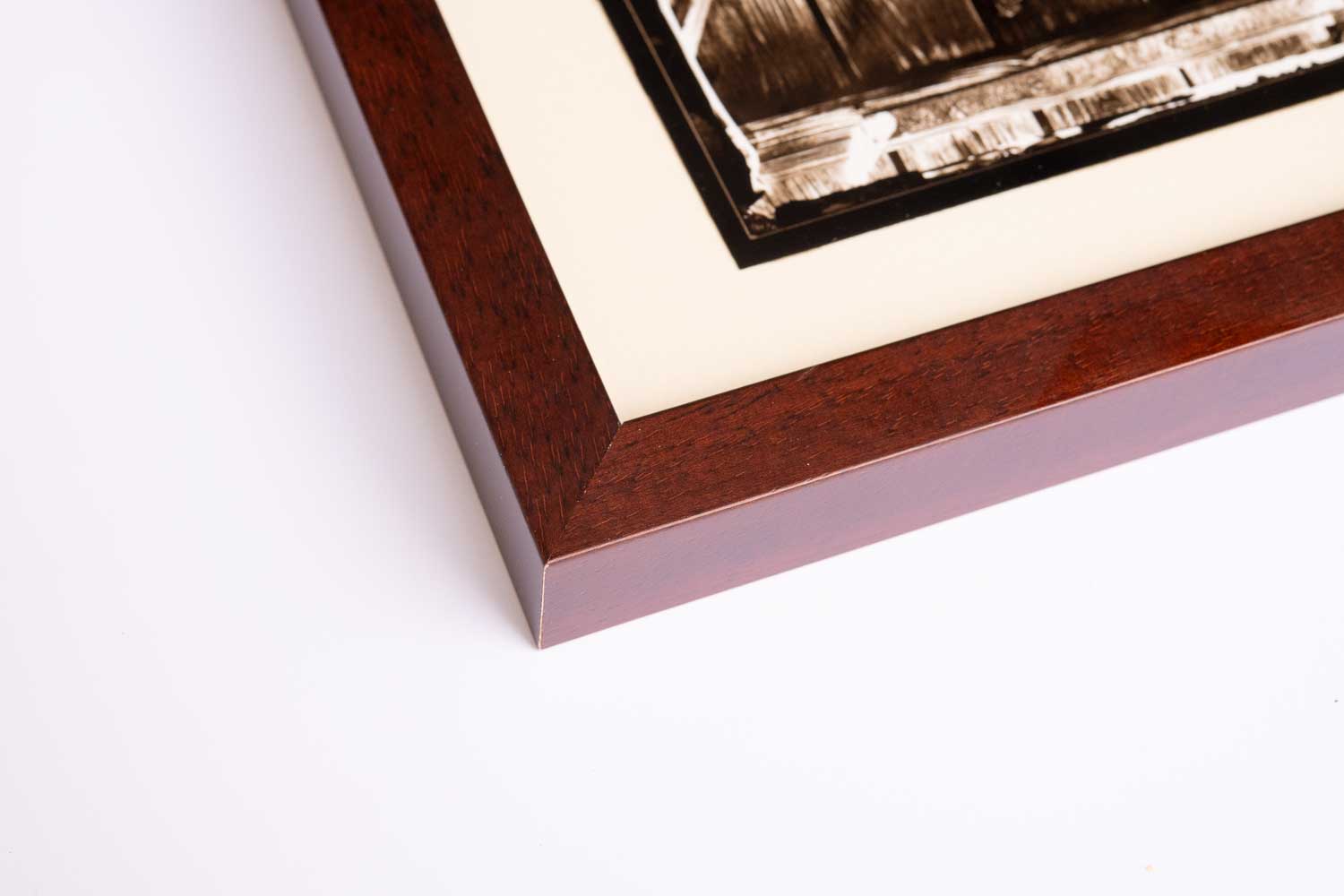
Fine Art Carbon Transfer Print on Glass
Photograph and print by Borut Peterlin
About the Artwork
There comes a time when even the strongest fighters hang up their gloves. Not necessarily because the fight is over, but because they have learned when to rest.
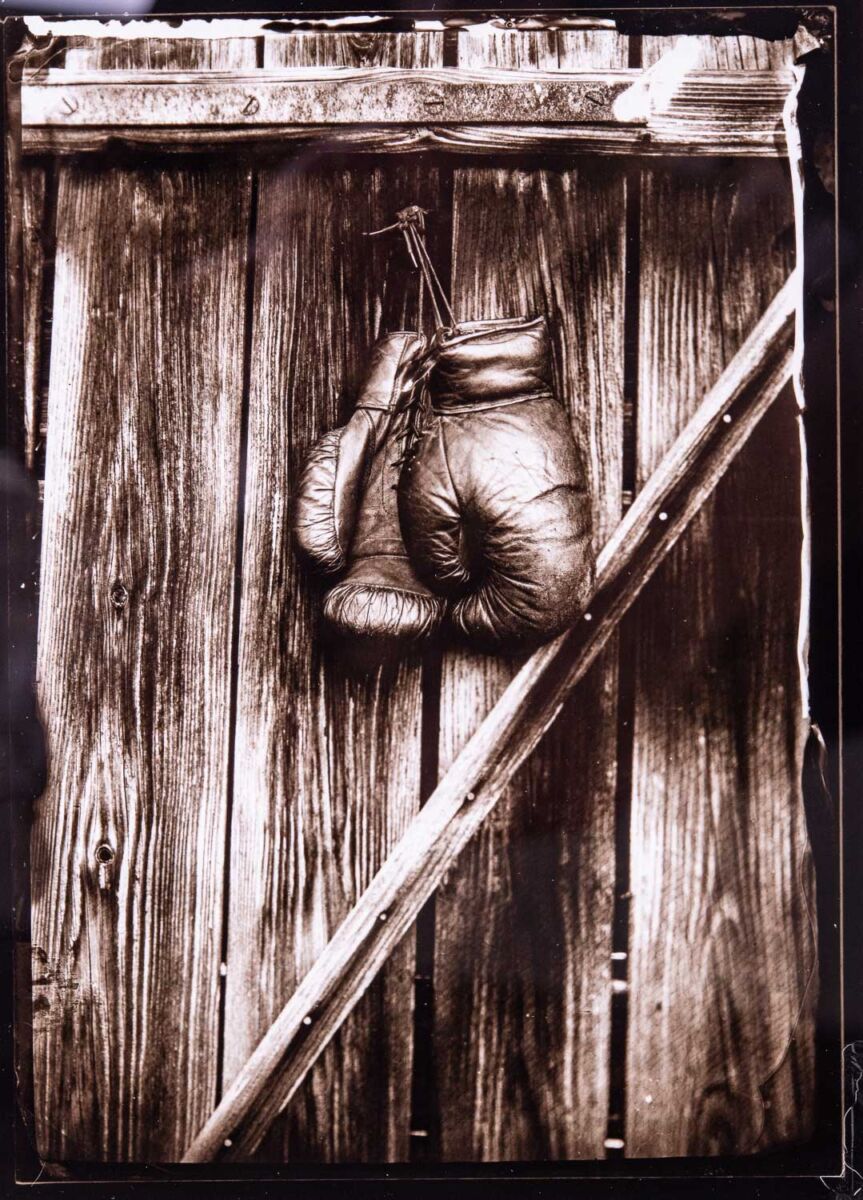
Resting Old Bones is a quiet meditation on age, endurance, and the passing of time. A pair of worn boxing gloves hangs from an old wooden door. Both carry the marks of years of service. Neither is new, neither is perfect, yet both remain beautiful, functional, and ready to serve again when called upon.
For Borut Peterlin, the subject is deeply personal. Having practiced martial arts for more than twenty years, primarily Muay Thai and Tai Chi Chuan, he is no stranger to the discipline, physical demands, and philosophy of the fighting arts.
The photograph speaks of the calm after the storm. Of strength that no longer needs to prove itself. The gloves are resting, not retired. The old door continues to stand, weathered but beautiful, still fulfilling its purpose.
Introductory Collector’s Price
As part of his established artistic practice, Borut Peterlin offers newly released artworks at a special introductory price for a limited time following their first public announcement.
This is his way of expressing gratitude to collectors and supporters who follow his work and choose to acquire a piece at the moment of its release.
Once the introductory period ends, the artwork remains available at its regular gallery price, subject to the availability of the limited edition.
The artwork remains the same. Only the opportunity to acquire it at the introductory price is temporary.
The Photographic Process
Wet Plate Collodion Negative · Carbon Transfer Print on Glass
Resting Old Bones brings together two remarkable photographic processes from the nineteenth century.
The original photograph was made using the wet plate collodion process, introduced in 1851. A glass plate is hand-coated with collodion, sensitized in silver nitrate, exposed in a large-format camera, and developed while the photographic emulsion is still wet.
The process produces negatives of exceptional detail and remarkable tonal richness, with delicate transitions between highlights, midtones, and deep shadows. Its distinctive rendering gives the image a presence and depth that are difficult to replicate through contemporary digital methods.
The final artwork is created using carbon transfer printing on glass, one of the most permanent photographic printing techniques ever developed.
Unlike conventional silver-based photographic prints, the carbon process creates an image from finely dispersed, stable pigments suspended in hardened gelatin. The varying thickness of the pigmented gelatin produces extraordinary tonal depth, rich blacks, and subtle surface relief.
Because the image is formed from stable pigments rather than chemically reactive silver, carbon prints are among the most archivally durable forms of photographic printing. Transferring the carbon image onto glass adds another dimension to the artwork, combining the luminous qualities of glass with the remarkable depth and physical presence of the carbon image.
Each print is made through a demanding, hands-on process requiring patience, precision, and craftsmanship. The result is not merely a reproduction of a photograph, but a photographic object in its own right.
About the Artist — Borut Peterlin
Borut Peterlin is a Slovenian fine-art photographer whose practice combines historical photographic techniques with contemporary artistic expression.
He graduated with a BA in Photography from FAMU, the Academy of Performing Arts in Prague (1994–1998), and subsequently earned a Postgraduate Diploma from the London College of Printing (2002–2003).
In 2000, he was awarded a scholarship to Fabrica, Benetton’s Research Centre for Communication in Italy, where he began working with internationally renowned photographer and creative director Oliviero Toscani.
Over the past fifteen years, Peterlin has dedicated much of his artistic practice to researching, mastering, and revitalizing nineteenth-century photographic processes, particularly wet plate collodion and carbon printing.
He has studied with leading international specialists in historical photography, including Mark Osterman of George Eastman House and Calvin Grier of The Wet Print.
His work has been exhibited internationally at numerous galleries, museums, and photographic festivals, including:
- Konica Minolta Gallery, Tokyo, Japan
- K2 Gallery, Izmir, Turkey
- Martin-Gropius-Bau, Berlin, Germany
- HOST Gallery, London, United Kingdom
- Kaunas Photo Festival, Lithuania
- Doland Museum, Shanghai, China
- Photo Fringe Festival, Kraków, Poland
- Arendt & Medernach, Luxembourg
- Museum of Contemporary Art, Ljubljana, Slovenia